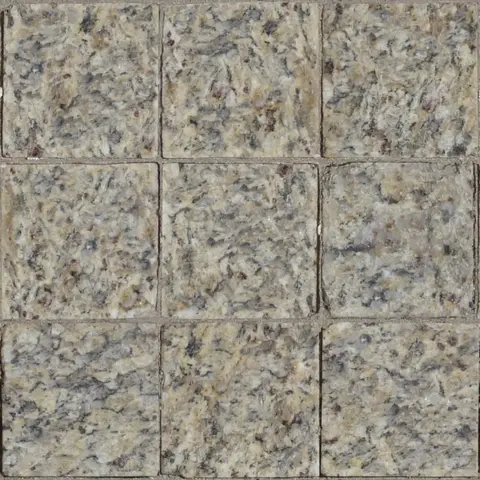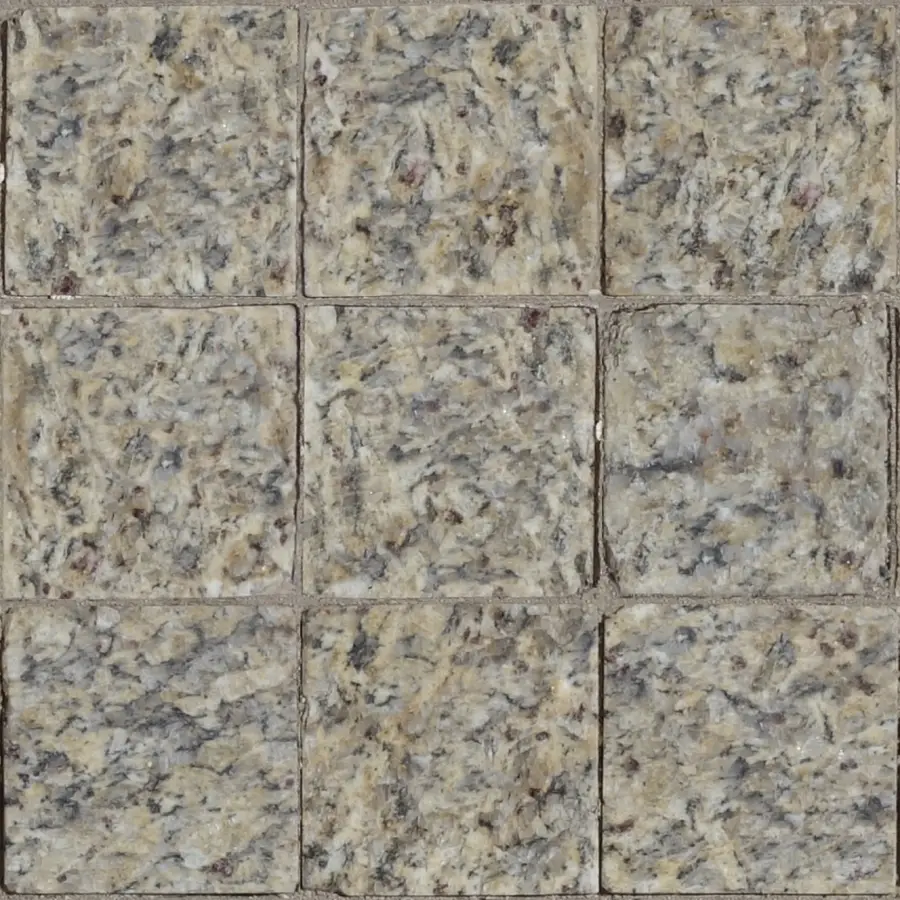
Foot traffic, pets, floor cleaners and Arizona dust slowly wear down the natural or polished finish of travertine. Acidic liquids such as vinegar or fruit juice can etch it, and over time the stone develops pits and holes. All of this can be fixed as part of a professional restoration, which may include honing as well as cleaning and polishing. Because travertine is so porous, it should be sealed with a penetrating sealer after each major cleaning.
Dry cleaning
The most important habit is removing dust, dirt and pebbles once or twice a day. On a honed or polished surface, the grit between your shoes and the floor works like sandpaper.
- Use a dust mop at least 3 feet wide, available at most home improvement stores.
- Dust mop every walk area daily.
- Avoid oil-based dust mop sprays. They can damage the finish. Ask us about an oil-free spray that attracts dust.
Wet cleaning
How well a cleaner works, and how safe it is for stone, depends on its pH. The scale runs from 1 to 14: 1 to 6.5 is acidic, 7 is neutral, and 7.5 to 14 is alkaline.
Common acids that will etch polished stone:
- Toilet bowl and bathroom cleaners
- Vinegar
- Some degreasers
- Most fruit juices
- Ammonia
- Alcoholic beverages
- Many household cleaners
Acids dissolve the bonding agents that hold stone together. Strong alkaline cleaners also wear stone down over time. Use a cleaner rated pH 7, and choose one active enough to clean a porous surface without being too harsh.
We have had good results with StoneTech products: Revitalize for countertops, showers and the occasional floor, and Klenzall for most floor maintenance. Follow the label. Mopping with soft water and drying the tile with a terry cloth towel gives the best finish.
Sweep a lot, mop less
Natural stone does not do well with water. When water soaks into the pores it has to escape, and too much of it can cause cracks or loosen the fill in filled travertine. Mop only the areas that need it.