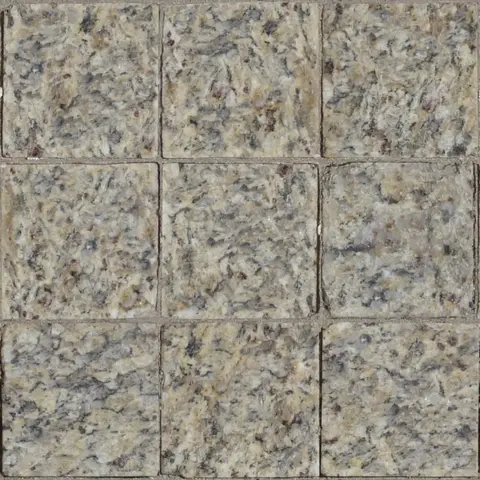
Marble is limestone that heat and pressure have recrystallized. It is mostly calcium and dolomite, usually heavily veined, and comes in many colors.
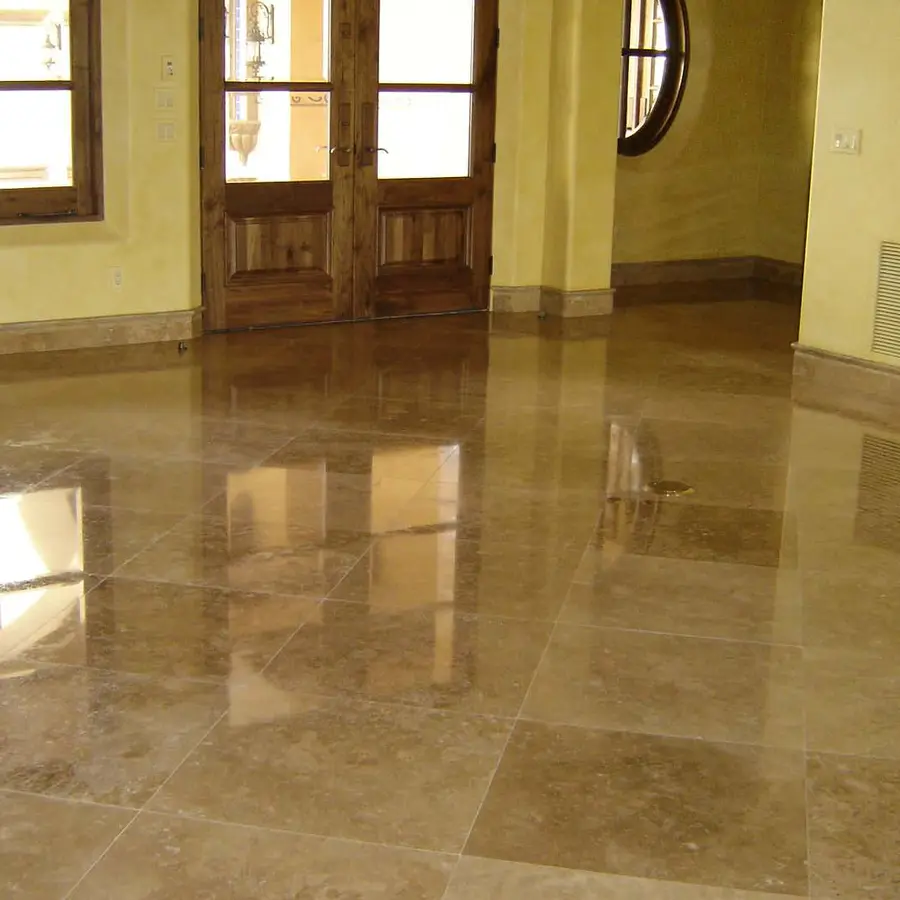
Most home marble is installed with a honed and polished surface. It is smooth, not very porous, and glossy, and the shine comes from the stone’s own crystals rather than a coating. That gloss wears away with heavy traffic and the wrong cleaning habits.
Dry cleaning
Remove dust, dirt and pebbles once or twice a day. On a polished surface, particles under your shoes slowly sand the finish dull and can embed in the stone.
- Use a dust mop at least 3 feet wide and run it over every walk area daily.
- Skip oil-based dust mop sprays, which can harm the floor. Use an oil-free spray instead.
Wet cleaning
A cleaner’s pH decides both how well it works and whether it is safe. On the 1 to 14 scale, 1 to 6.5 is acidic, 7 is neutral and 7.5 to 14 is alkaline.
Common acids that etch polished marble:
- Toilet bowl and bathroom cleaners
- Vinegar
- Some degreasers
- Most fruit juices
- Ammonia
- Alcoholic beverages
- Many household cleaners
An etch has to be re-polished, or in bad cases the tile replaced. Alkaline cleaners deteriorate stone over time too, so use a pH-neutral stone cleaner that is active enough to clean without being harsh.
StoneTech Revitalize works well on countertops and showers, and Klenzall for regular floor care. Mop with soft water if you can, then wipe the floor dry with a terry cloth towel.
Sweep a lot, mop less
Natural stone does not like water. Water that soaks into the pores has to get out, and too much can crack the stone or loosen fill. Mop only what needs it.